The Ultimate Guide to Starting a Home Garden
Are you dreaming of lush greens, colorful blooms, and the taste of fresh veggies right from your backyard? Starting a home garden is not only a rewarding hobby but also a great way to add a touch of nature to your life and reduce your grocery bill. Whether you have a sprawling backyard or a cozy balcony, gardening can be both therapeutic and practical. Read on for our ultimate guide to kick-starting your home garden journey!
1. Choose the Right Space

Evaluate the space you have available. A backyard offers more options, but don't underestimate the potential of a sunny windowsill, balcony, or patio. Consider the amount of sunlight your plants will need—most vegetables require about 6-8 hours of sunlight a day.
2. Select Suitable Plants
Begin with easy-to-grow plants. If you’re a novice gardener, opt for herbs like basil and mint, or robust veggies like spinach and lettuce. Tailor your plant selection to your climate and the amount of sunlight your garden space receives.
3. Get the Right Tools
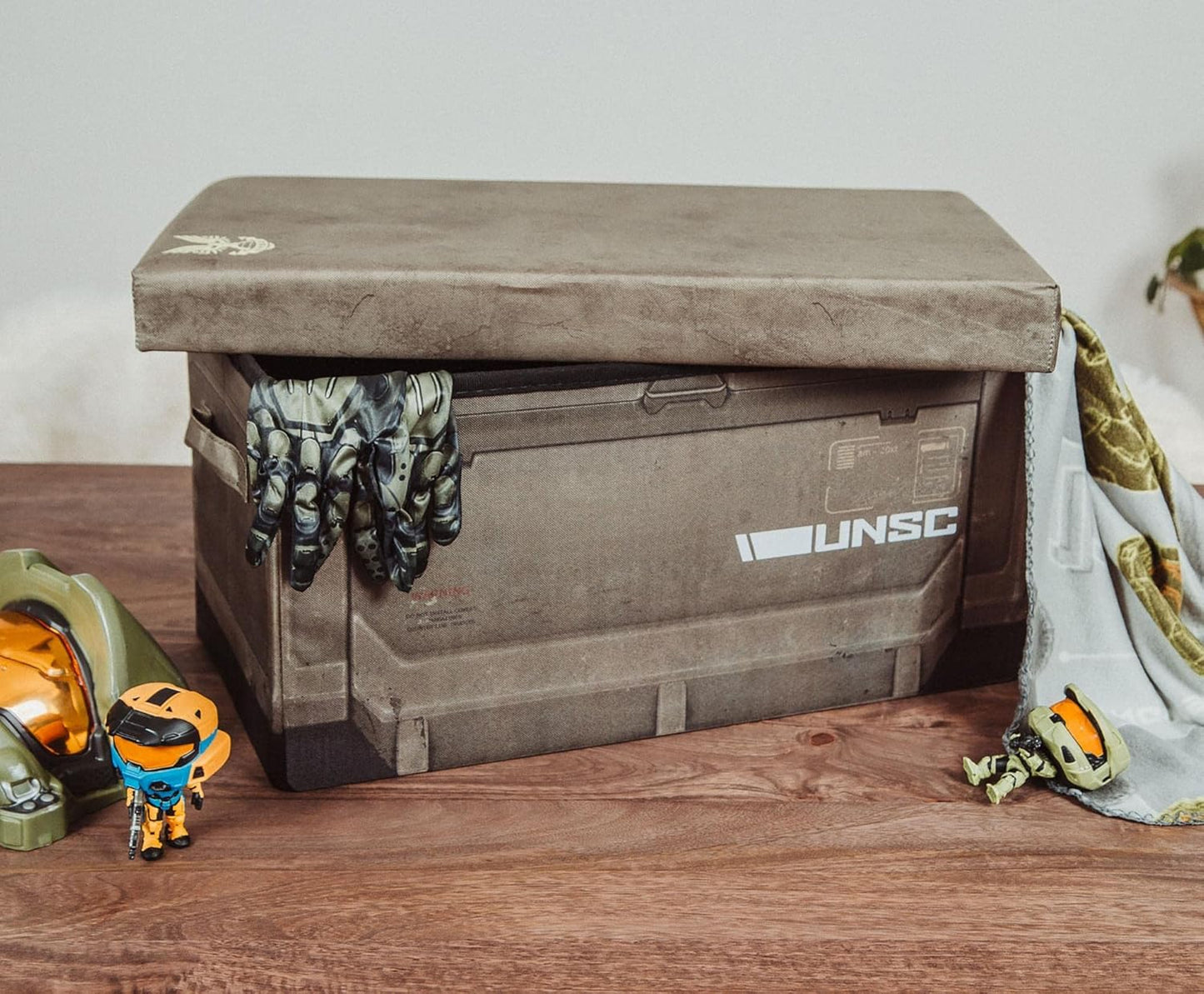
Having the right tools is essential for maintaining your garden efficiently. Start with basics like a shovel, rake, trowel, and watering can. Are you a gamer at heart? Organize your gardening tools smartly with the HALO Ammo Crate Collapsible Storage Bin Chest with Lid, which provides convenient storage for your gardening essentials, keeping everything neat and accessible.
4. Soil and Compost
Good soil is the foundation of a healthy garden. Test your soil’s pH level to determine its quality, and consider enriching it with organic compost. Compost improves soil texture, boosts nutrients, and encourages good drainage.
5. Planting and Maintenance
Follow the plant-specific instructions for each seed packet or plant. Be mindful of the spacing requirements to allow for growth, and water consistently. Remember, overwatering is just as detrimental as underwatering.
6. Create a Relaxing Garden Space
Finally, transform your garden into a personal sanctuary. Adding functional pieces like the Wolfgang Puck Portable Stainless Steel Outdoor Pizza Oven can enhance your outdoor living space, making your garden not only a place for growing plants but also for enjoying alfresco meals and gatherings with family and friends.
Gardening is an art and science wrapped into one, and it's a journey of learning and rewards. Start small, be patient, and most importantly, enjoy the process!
Happy gardening!

FAQs
What type of plants should I start with as a beginner?
Starting with easy-to-grow plants like herbs (basil, mint, parsley), leafy greens (lettuce, spinach), and hardy vegetables (carrots, radishes, zucchini) is ideal for beginners. These plants are forgiving and can thrive in various conditions.
How much sunlight do my plants need?
Most vegetables and herbs require at least 6-8 hours of direct sunlight daily. Observe your garden area throughout the day to identify the best spots that receive ample sunlight for optimal growth.
What kind of soil is best for a home garden?
Using a high-quality, well-draining potting mix that is rich in organic matter is best. You can also improve your garden soil by adding compost, which enhances nutrients and aids in moisture retention.
How often should I water my garden?
Watering needs can vary based on plant type, weather conditions, and soil moisture. As a general rule, it's best to water plants deeply but infrequently, allowing the top inch of soil to dry out between waterings. Early mornings or late afternoons are ideal times to water.
How can I prevent pests from harming my plants?
Implementing natural pest control methods, such as introducing beneficial insects (like ladybugs), using neem oil, or planting companion plants, can effectively deter pests. Regularly checking your plants helps catch any infestations early.
What tools do I need to get started with gardening at home?
Essential gardening tools include gloves, a hand trowel, pruners, a watering can or hose, and a rake. You might also want a kneeling pad for comfort during planting and maintenance.
Can I garden if I have limited outdoor space?
Absolutely! Container gardening or vertical gardens are excellent options for small spaces. You can grow a variety of plants in pots on balconies, patios, or even indoors, as long as they have enough sunlight.
How do I know when my vegetables are ready to harvest?
Each vegetable has its own timeline for maturity. Generally, you can refer to seed packets for guidance. A good rule of thumb is to check for vibrant colors and a firm texture—many vegetables are usually best when harvested slightly immature.
What should I do during the off-season for my garden?
During the off-season, you can prepare for the next growing season by planning your garden layout, starting seeds indoors, and researching new plants. Additionally, considering soil amendments and cleaning up any debris can help you kick off the next season effectively.