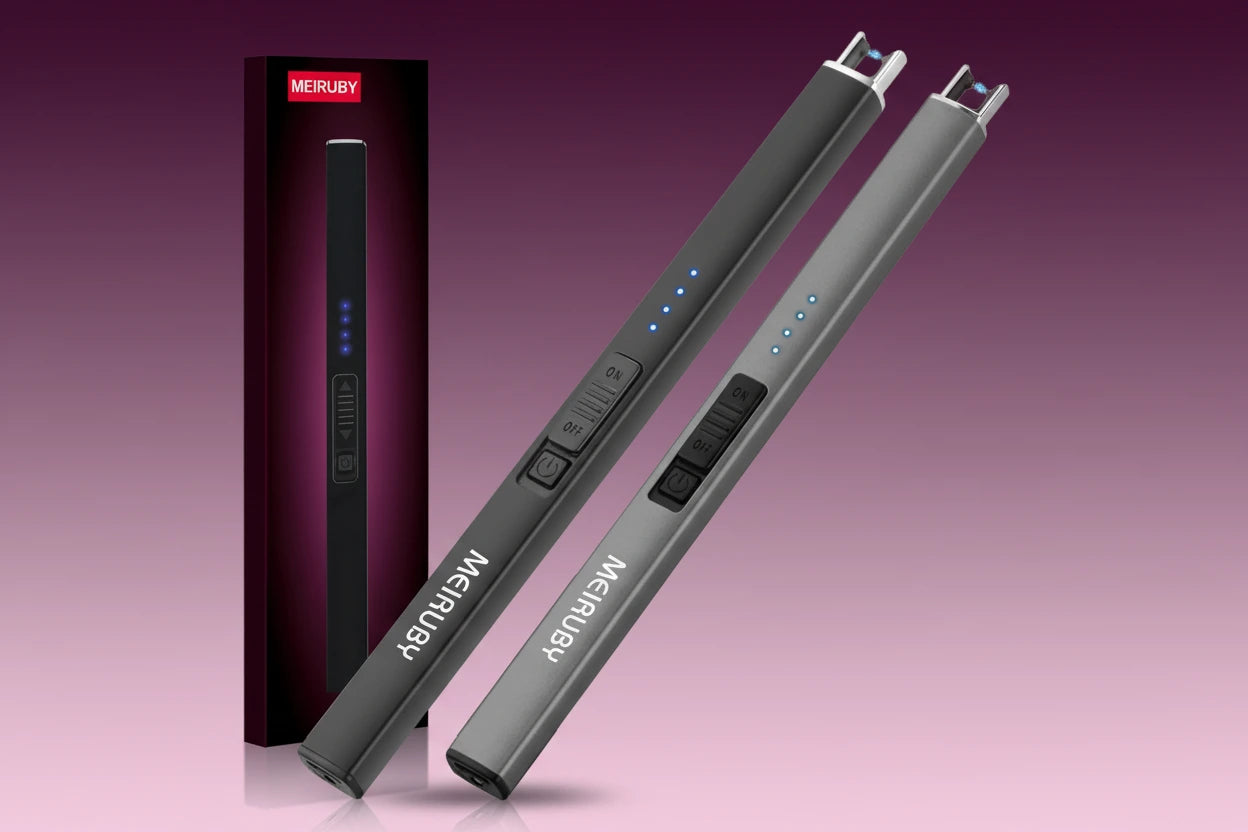
Why Rechargeable Electric Lighters Are the Quirky Must-Have You Never Knew You Needed
The Unexpected Gadget Revolution Happening in Your Pocket

Let's be honest - when was the last time you got genuinely excited about a lighter? If you're still clicking that frustrating flint wheel or constantly refilling butane, you're missing out on one of those rare "where have you been all my life?" moments. Rechargeable electric lighters have quietly sparked a mini-revolution, transforming an everyday necessity into something that actually makes people say, "Whoa, what IS that thing?"
These flameless, windproof wonders aren't just another random gadget cluttering your junk drawer. They're the perfect blend of practical problem-solving and conversation-starting cool factor that makes both tech enthusiasts and practical homeowners do a double-take. Ready to discover why these quirky little devices are quickly making traditional lighters look like outdated technology? Let's dive into the electric spark that's changing how we light everything from birthday candles to backyard grills!
How Rechargeable Electric Lighters Actually Work
Ever wondered what magic happens when you press that button and see that satisfying electric arc appear? It's not actually magic (though it certainly looks like it) - it's clever science that feels straight out of a sci-fi movie.
The Science Behind the Electric Arc

Unlike traditional lighters that create a flame using fuel and a spark, rechargeable electric lighters create a high-voltage electric current that jumps between two points, forming what's called a plasma arc. This arc is essentially super-heated air that reaches temperatures between 1,100-2,012°F - hot enough to light candles, cigarettes, and more without any flame at all!
The process works through a simple circuit that includes:
- A rechargeable lithium-ion battery (similar to what powers your phone)
- A voltage converter that transforms the battery's low voltage into thousands of volts
- Two ceramic electrodes with a small gap between them
- A simple button or switch that completes the circuit
When you press the button, electricity flows through the circuit, creating that distinctive X-shaped or straight-line plasma arc that can ignite almost anything a traditional flame would. The best part? Since there's no actual flame, wind becomes a non-issue, making these lighters incredibly reliable outdoors.
What's particularly fascinating is how this technology has been miniaturized into pocket-sized devices that can be recharged hundreds of times before showing any decline in performance. Most models use standard USB charging, meaning you can power them up using the same cable as your phone or tablet.
5 Surprising Benefits That Make Electric Lighters Worth It
If you're wondering whether rechargeable electric lighters are worth the switch, consider these unexpected advantages that go far beyond just lighting things on fire.
The Environmental Impact You Never Considered

Traditional disposable lighters create a shocking amount of waste. Americans alone discard nearly 1.5 billion plastic lighters every year - most of which end up in landfills or, worse, in our oceans and waterways. Since plastic lighters aren't biodegradable, they'll stick around for centuries, slowly breaking down into microplastics.
Even refillable butane lighters aren't completely innocent. They use fossil fuel derivatives and often come packaged in excessive plastic. Plus, those metal components rarely get recycled properly.
Rechargeable electric lighters, on the other hand, dramatically reduce this environmental footprint:
- One electric lighter can replace hundreds of disposable plastic lighters
- No more butane canisters or flints to discard
- Many models last 3+ years with proper care
- When they do eventually wear out, they contain recyclable components like lithium batteries that can be properly processed
Beyond the waste factor, there's also the safety angle to consider. Traditional lighters use butane, a fossil fuel that releases carbon emissions when burned. Electric lighters eliminate this small but cumulative carbon footprint, making them a surprisingly eco-friendly choice for environmentally conscious consumers.
Safety Features Traditional Lighters Can't Match
Let's talk about safety, shall we? Traditional lighters come with a laundry list of potential hazards: burns from unexpected flame direction, children accessing them too easily, fuel leaks, and the risk of leaving them on accidentally.
Rechargeable electric lighters tackle these concerns with clever design features:
- No open flame means significantly reduced fire risk
- Many models feature automatic shutoff after 7-10 seconds
- The electric arc only appears while the button is actively pressed
- Child-safety features like double-click activation on premium models
- No fuel means no leaking hazardous chemicals in your bag or pocket
For homes with curious kids, pets that knock things over, or anyone who's ever singed their fingertips trying to light a deep candle, these safety improvements alone make electric lighters worth considering.
Unexpected Versatility Beyond Just Lighting Things
While traditional lighters do one thing well, rechargeable electric lighters offer surprising versatility:
- Perfect for lighting hard-to-reach candle wicks without burning your fingers
- Ideal for outdoor cooking when wind would normally extinguish a flame
- Great for camping when matches might get wet
- Some models include built-in flashlights for power outages
- Premium versions offer multiple lighting tips for different applications
Many outdoor enthusiasts have discovered that electric lighters make perfect additions to emergency kits and bug-out bags. Since they don't rely on fuel that can evaporate or leak, they provide reliable fire-starting capabilities in situations where traditional lighters might fail.
The Surprising Economics of Going Electric
At first glance, rechargeable electric lighters seem more expensive than their disposable counterparts. A basic plastic lighter might cost $1-2, while electric models typically range from $15-40. But let's do some quick math:
- Average person might buy 10-15 disposable lighters per year = $10-30 annually
- A quality electric lighter costs $20-30 once and lasts 3+ years
- No ongoing costs for fuel refills or flint replacements
- Many models offer 300+ lights per charge
- Most include 2-3 year warranties
Over just two years, most users break even or come out ahead financially. Factor in the convenience of never running out of fuel or dealing with a worn-out flint, and the economic argument becomes even stronger.
The Conversation Starter You Didn't Know You Needed
There's something undeniably cool about pulling out an electric lighter at a party or barbecue. The distinctive "zzzt" sound and blue electric arc never fail to draw attention and questions.
"What IS that thing?" "Can I see how it works?" "Where did you get that?!"
In a world of increasingly common gadgets, rechargeable electric lighters still maintain that "wow factor" that makes them perfect conversation pieces and unexpectedly awesome gifts. They hit that sweet spot of being practical enough to use regularly but unique enough to feel special.
Finding Your Perfect Electric Lighter Match
Not all rechargeable electric lighters are created equal. With dozens of options flooding the market, how do you choose one that won't disappoint?
Features That Separate the Good from the Great
When shopping for your perfect electric lighter, keep these key features in mind:
Battery Life and Charging
- Look for models offering 300+ lights per charge
- USB-C charging is faster and more future-proof than micro-USB
- Battery indicators prevent unexpected power loss
- Quick-charge capabilities (some models reach 80% in 30 minutes)
Construction Quality
- Zinc alloy bodies offer better durability than plastic
- Water-resistant models provide added protection
- Smooth-operating lids that won't loosen over time
- Quality ceramic electrodes that resist wear
Practical Design Elements
- Flexible necks for reaching deep candles
- Ergonomic shapes that fit comfortably in hand
- Easy-to-press ignition buttons
- LED battery indicators
Extra Features Worth Considering
- Built-in flashlights for emergency situations
- Lanyard attachments for outdoor activities
- Multiple arc configurations for different uses
- Decorative elements if giving as a gift
The sweet spot for most users tends to be mid-range models ($20-30) that balance quality construction with practical features without unnecessary bells and whistles. These typically offer the best value-to-durability ratio and include reasonable warranties.
Spark Joy: Why Electric Lighters Are More Than Just Another Gadget
When it comes down to it, rechargeable electric lighters represent something we all love: clever solutions to everyday problems we didn't even realize could be improved. They take something as mundane as creating fire and transform it into a delightful, satisfying experience that makes you wonder why you didn't switch sooner.
These quirky little devices aren't just about lighting candles or grills more efficiently. They're about those small moments of joy when technology actually makes your life easier in unexpected ways. They're about having something in your pocket that combines practical functionality with a touch of "wow" factor.
Whether you're treating yourself to an upgrade from frustrating traditional lighters or hunting for that perfect "where did you find this?!" gift, rechargeable electric lighters deliver both function and fun in one neat little package. They're the perfect example of how sometimes the most delightful discoveries are improvements to things we use every day.
So go ahead, spark some joy and curiosity with a lighter that's anything but ordinary! Your fingers (no more burns), your friends (who'll want one too), and our planet (less plastic waste) will all thank you for making the switch to this unexpectedly awesome little gadget.